

Many people trying to improve their health and reduce weight look for snacks that are filling, high in protein, and easy to carry. One popular option is beef jerky. But many people still ask, “Is beef jerky good for weight loss?”
The simple answer is yes. Beef jerky can support weight loss because it is high in protein, low in carbs, and helps reduce hunger. It may also help protect muscle during a diet. However, not every jerky product is healthy. Some contain too much sugar, salt, preservatives, and unhealthy fat that may increase the risk of heart disease, high blood pressure, and other healthcare concerns.
People using prescription weight loss medicines like wegovy®, saxenda®, Semaglutide, or Topiramate should also understand how processed meats affect the body and overall nutrition.
In this guide, you will learn the benefits, side effects, nutrition facts, and best ways to eat beef jerky while trying to lose weight.
Table of Contents
Why Beef Jerky Can Help With Weight Loss
Beef jerky is made from dried meat, usually lean cuts of steak or other low-fat beef. Because water is removed during the drying process, jerky becomes rich in nutrients and protein.
1. High Protein Keeps You Full
Protein helps reduce hunger and cravings. Eating protein-rich foods may help people eat fewer calories throughout the day.
Beef jerky contains amino acids like leucine, which support muscle repair and help prevent muscle loss during dieting. This is important for adults, especially older people, dealing with age-related muscle loss or sarcopenia.
2. Supports Muscle During Weight Loss
When people lose weight too quickly, they often lose muscle along with fat. Protein-rich foods combined with physical activity and strength training help maintain muscle.
Maintaining muscle supports metabolism and overall health.
3. Low-Carb Snack Option
Many jerky products are lower in carbs than chips or cookies. This may help control blood sugar and reduce cravings.
People with diabetes or type 2 diabetes often look for lower-carb snacks to help manage glucose levels.
Nutrition Benefits of Beef Jerky
Beef jerky provides several important nutrients.
Protein
Protein supports:
- Muscle growth
- Recovery after workouts
- Better fullness
- Healthy metabolism
Iron
Beef contains heme iron, which the body absorbs easily. Iron helps produce healthy blood cells and prevents iron deficiency and anemia.
Low iron may cause:
- Weakness
- Low energy
- Feeling dizzy
- Poor exercise performance
Healthy Nutrients
Beef also contains:
- Zinc
- Vitamin B12
- Selenium
- Important macronutrients
These nutrients help support the immune system, energy, and brain function.

Possible Health Risks of Beef Jerky
Although beef jerky has benefits, eating too much processed red meat may pose health risks.
High Sodium Levels
Many jerky products contain large amounts of salt. Too much sodium may increase:
- High blood pressure
- Heart disease
- Water retention
- Kidney problems
People with existing disease conditions should speak with a health care provider before eating jerky often.
Added Sugar and Preservatives
Some brands add large amounts of sugar and preservatives to improve flavor and shelf life.
Too much processed meat consumption may increase the risk of:
- Obesity
- High blood sugar
- Certain types of cancer
Research about processed red meat continues, but moderation is important.
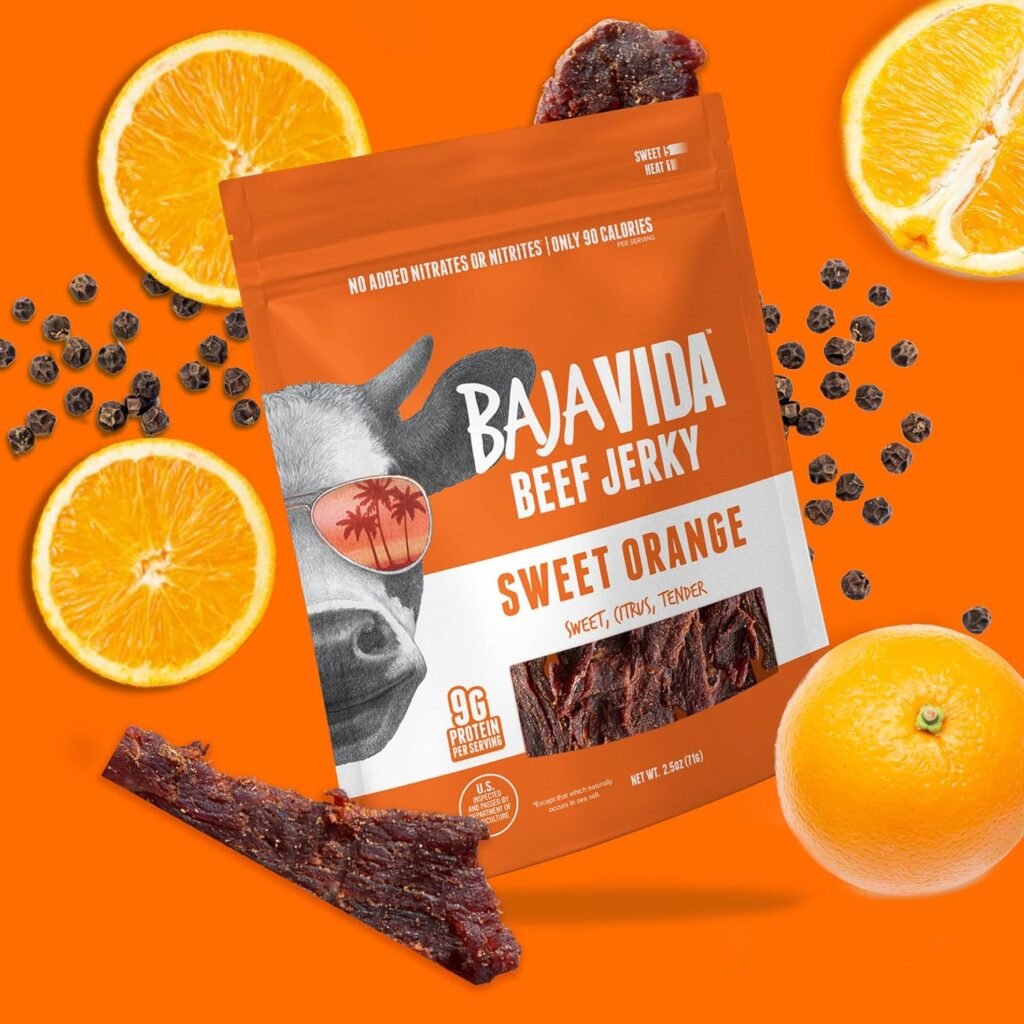
Beef Jerky and Heart Health
Lean beef can fit into a balanced diet, but eating processed meats every day may not be good for the heart.
The diet-heart hypothesis suggests that diets high in saturated fats and processed meats may increase heart disease risk in some people.
To make jerky healthier:
- Choose low-sodium options
- Avoid high-sugar brands
- Drink plenty of water
- Eat vegetables and fiber-rich foods
Beef Jerky and Blood Sugar Control
People with diabetes often need snacks that do not spike blood sugar quickly.
Protein slows digestion and may help stabilize glucose levels. However, sweet jerky products with extra sauces may still raise sugar levels.
Patients taking medications such as metformin tablets or GLP-1 medications should monitor portion sizes carefully.
Weight Loss Medicines and Beef Jerky
Today, many people use prescription medicines for obesity and weight loss.
Popular options include:
- wegovy®
- saxenda®
- semaglutide
- topiramate
These medicines work differently in the body, but many reduce appetite.
Common Side Effects
Possible side effects include:
- Nausea
- Stomach discomfort
- Pain in the abdomen
- Low energy
- Low blood sugar
- Heart rate changes
- Gallbladder problems
- Kidney problems
Some people may also experience:
- Trouble swallowing
- Severe pain in the upper stomach
- Clay-colored stools
- Severe rash
- Allergic reaction or allergic reactions
Serious symptoms may require immediate medical help.
Important Safety Information About Weight Loss Drugs
Certain GLP-1 drugs carry warnings about:
- Thyroid cancer
- Medullary thyroid tumors
- Oid tumors
- Endocrine system condition risks
- Multiple endocrine neoplasia
People with a family history of thyroid cancer should talk with a healthcare provider before using these medicines.
Pregnant women should avoid certain drugs because they may harm an unborn baby.
Always discuss:
- Over-the-counter medicines
- Herbal supplements
- Other medicines
with a provider before combining treatments.
Can Beef Help Build Muscle?
Yes. Beef is rich in:
- Protein
- Leucine
- Iron
- Creatine-like nutrients
These nutrients help support:
- Muscle recovery
- Strength
- Exercise performance
People who do strength training often use protein-rich foods to maintain lean muscle while losing fat.
Beef vs Plant-Based Diets
Many people now follow plant-based eating plans. While plant foods are healthy, beef provides complete protein and highly absorbable iron.
A balanced diet can include:
- Lean meats
- Vegetables
- Whole grains
- Fruits
- Healthy fats
Moderation matters more than avoiding one food completely.
Digestive Problems and Beef Jerky
Some people experience stomach discomfort after eating processed meats.
Possible symptoms include:
- Bloating
- Gas
- Stomach area discomfort
- Digestive problems
Drinking enough water may help reduce these issues.
Rare Beef-Related Diseases
Undercooked beef may sometimes carry parasites such as beef tapeworm.
This infection, called taeniasis, may cause:
- Digestive problems
- Weight changes
- Weakness
Safe cooking methods reduce this risk greatly.
Best Ways to Choose Healthy Beef Jerky
When shopping for jerky, look for:
- Low sodium
- Low sugar
- High protein
- Lean cuts of beef
- Minimal preservatives
Avoid products with too many artificial ingredients.
Healthy Beef Jerky Recipe
Making jerky at home is often healthier.
Simple Recipe
Ingredients
- Lean steak strips
- Garlic powder
- Black pepper
- Low-sodium soy sauce
- Paprika
Cooking Instructions
- Slice the meat thinly
- Marinate overnight
- Dry slowly in the oven or dehydrator
- Store properly
Making jerky at home allows you to manage the amount of salt and sugar more carefully.
Popular Beef Meals for a Healthy Diet
- Low-fat beef works well in a variety of nutritious meals:
- Taco bowls
- Lettuce-wrap burger meals
- Beef casserole dishes
- Grilled steak salads
Balanced meals support better long-term nutrition.
Beef in Entertainment and Pop Culture
The Netflix show Beef starring Steven Yeun and Ali Wong became very popular worldwide.
The series’s success even increased online discussions about beef, food culture, and modern life.
Final Thoughts
Is beef jerky a good choice for weight loss? In many cases, yes. When consumed in reasonable amounts, it can be a healthy snack because it is packed with protein, helps maintain muscle, and can keep you feeling full for longer while dieting.
Still, regularly eating large amounts of processed red meat may lead to excess sodium intake and could raise the chances of heart-related health issues and other medical concerns.
The best approach is balance:
- Choose lean jerky
- Watch sodium and sugar
- Stay active with regular physical activity
- Eat a balanced diet
If you have medical conditions or use prescription medications such as Wegovy®, semaglutide, or Saxenda®, speak with your health care provider before making major diet changes.