
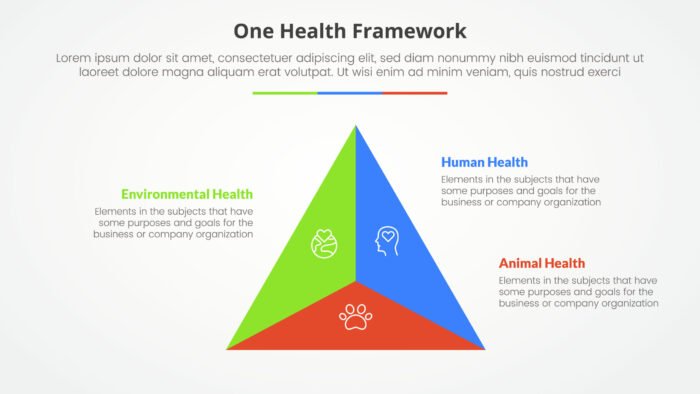
When it comes to maintaining a healthy lifestyle, we often focus on individual aspects such as physical fitness or mental well-being. However, a holistic approach is essential to truly thriving, and that’s where the concept of the Health Triangle comes into play. This approach involves three key elements: physical health, mental health, and social health. Together, these three sides create a balanced, well-rounded foundation for a fulfilling life. In this article, we will dive deep into the Health Triangle concept, explore each side, and provide actionable tips to help you achieve and maintain optimal well-being.
What Is the Health Triangle?
The Health Triangle is a model that emphasizes the interconnectedness of three core aspects of health: physical, mental, and social health. Each side of the triangle represents a vital area of well-being that contributes to the overall health of an individual. If one side of the triangle is out of balance, it can affect the other areas, leading to a decrease in overall health and well-being. The goal is to maintain a balance across all three areas to promote a healthier and happier life.
Table of Contents
The Three Sides of the Health Triangle
1. Physical Health
Physical health is often the first thing people think of when they hear the word “health.” It refers to the condition of your body and its ability to perform day-to-day activities without discomfort. Physical health involves factors like exercise, nutrition, sleep, and medical care.
Key Aspects of Physical Health:
- Exercise: Regular physical activity is crucial for maintaining a healthy body. It improves cardiovascular health, muscle strength, flexibility, and mental clarity.
- Medical Care: Regular check-ups, preventive care, and addressing health concerns early on are essential for maintaining long-term physical health.
- Medical Care: Regular check-ups, preventive care, and addressing health concerns early on are essential for maintaining long-term physical health.
- Nutrition: A balanced diet rich in vitamins, minerals, and macronutrients is vital for energy, immune function, and overall body health.
Sleep: Getting enough restorative sleep is essential for muscle recovery, mental function, and emotional stability.
2. Mental Health
Mental health is just as important as physical health and refers to your emotional, psychological, and social well-being It influences your thoughts and emotions. and act. Good mental health helps you cope with the stresses of life, realize your potential, and make meaningful connections with others.
Key Aspects of Mental Health:
- Emotional well-being: The ability to understand, express, and manage your emotions effectively is crucial for mental stability.
- Stress management: Learning how to cope with stress in healthy ways, such as through meditation, mindfulness, or relaxation techniques, can significantly impact mental health.
- Self-esteem and self-worth: Feeling good about who you are can help you maintain a positive outlook on life.
Cognitive function: Regular mental challenges like puzzles, learning new skills, and practicing critical thinking help keep the brain sharp.
3. Social Health
Social health involves the quality of your relationships and your ability to interact with others in a meaningful and positive way. It’s about feeling connected to your family, friends, coworkers, and community. Healthy social relationships contribute to emotional support, stress relief, and personal growth.
Key Aspects of Social Health:
- Communication skills: Effective communication is key to building healthy relationships, resolving conflicts, and expressing your needs.
- Support system: Having a network of friends, family, and colleagues who offer support during difficult times can significantly improve overall health.
- Community involvement: Engaging in social activities and contributing to your community can enhance your sense of belonging and personal fulfillment.
Boundaries: Setting healthy boundaries in relationships ensures that your social connections remain positive and respectful.
How the Health Triangle Works
The beauty of the Health Triangle lies in its balance. Imagine that each of the three sides of the triangle is equally important. If you focus too much on one aspect—say, physical health—without giving attention to mental and social health, the other areas may suffer, leading to an imbalance in your overall health. Conversely, neglecting physical health can affect both mental and social well-being, as poor physical health can lead to feelings of fatigue, stress, and isolation.
For example, lack of exercise can lead to physical fatigue, which might affect your mental health by causing mood swings, irritability, or anxiety. In turn, these mental health challenges could strain your social relationships, as you may feel disconnected from others. It’s a cycle that can be hard to break, which is why balance across all three areas of the Health Triangle is so crucial.
Why Is the Health Triangle Important?
In today’s fast-paced world, it’s easy to neglect one or more sides of the Health Triangle. However, each side plays a vital role in creating a fulfilling, healthy life. By nurturing all three aspects, you create a foundation for mental clarity, emotional stability, physical vitality, and strong social connections. Let’s explore some of the key reasons why the Health Triangle is so important:
1. Comprehensive Well-Being
Focusing on the Health Triangle ensures that you’re not just looking at isolated aspects of your health. It helps you to take a comprehensive approach to wellness, addressing both body and mind as well as your interactions with others.
2. Long-Term Health Benefits
By taking care of all three sides of the triangle, you are laying the groundwork for long-term health benefits. For instance, maintaining physical health through regular exercise and proper nutrition can reduce the risk of chronic diseases like heart disease or diabetes, while taking care of your mental health can reduce the risk of conditions like anxiety, depression, and stress-related illnesses.
3. Improved Relationships
Healthy social connections lead to emotional support, reduced stress, and a sense of belonging. Whether it’s family, friends, or community involvement, the social side of the Health Triangle is key to emotional well-being and life satisfaction.
4. Better Stress Management
When all aspects of the triangle are in balance, you are better equipped to manage stress. Regular exercise helps you release endorphins, good nutrition provides the energy needed to face daily challenges, and strong social support helps you navigate through tough times with resilience.
Tips for Maintaining a Balanced Health Triangle
Achieving balance in the Health Triangle requires conscious effort and intentional habits. Here are some practical tips for maintaining a healthy balance across physical, mental, and social health:
1. Exercise Regularly
Strive to engage in at least 30 minutes of moderate physical activity on most days of the week.Whether it’s walking, running, yoga, or strength training, physical activity benefits both your body and mind. Exercise releases endorphins, which improve your mood and reduce stress.
2. Eat a Balanced Diet
A nutrient-rich diet full of fruits, vegetables, whole grains, and lean proteins can help your body function at its best. Avoid processed foods and excessive sugars, which can lead to energy crashes and mood swings.
3. Prioritize Mental Health
Take time for mental well-being by practicing mindfulness, meditation, or journaling. If you’re feeling overwhelmed, consider seeking support from a therapist or counselor. It’s also important to get enough sleep to allow your brain and body to recover.
4. Foster Strong Social Connections
Invest time in your relationships by regularly connecting with friends, family, or community groups. Engage in meaningful conversations, participate in group activities, and provide support to those in need.
5. Set Boundaries
In social settings, setting healthy boundaries is key to maintaining emotional well-being. Learning how to say no when necessary and protecting your personal space will help maintain balanced relationships.

Common Health Triangle Imbalances and How to Address Them
It’s common for one side of the Health Triangle to become out of balance at times. When this happens, it can affect the other two areas. Below are some examples of imbalances and strategies for addressing them:
1. Physical Imbalance
If your physical health is neglected, you may experience fatigue, weakness, or chronic illness. To address this, make exercise a priority, eat a nutritious diet, and get adequate sleep. Regular medical check-ups are also essential to detect any issues early on.
2. Mental Imbalance
Stress, anxiety, or depression can tip the balance in the Health Triangle. Address mental health by practicing stress management techniques such as yoga or meditation. Seeking professional help from a therapist can also be highly beneficial for mental clarity and emotional support.
3. Social Imbalance
If you feel isolated or disconnected from others, it’s important to actively seek out social interactions. Make time for social activities, strengthen your communication skills, and prioritize quality time with loved ones.
FAQs About the Health Triangle
1. What is the Health Triangle and why is it important?
The Health Triangle symbolizes the equilibrium between physical, mental, and social well-being Maintaining balance across these three areas is essential for overall well-being. If one side is neglected, it can negatively affect the other aspects of health, leading to an overall decline in wellness.
2. How do I maintain balance in the Health Triangle?
To maintain balance, prioritize regular exercise, a balanced diet, good sleep, mental health practices like mindfulness, and healthy social connections. Setting boundaries and practicing stress management are also key to a well-rounded health approach.
3. Can poor physical health affect my mental or social health?
Yes, poor physical health can lead to feelings of fatigue, stress, or even anxiety, which can, in turn, strain your mental and social health. For example, being physically unwell may limit your ability to engage socially or affect your mood, making it harder to connect with others.
4. What should I do if one side of my Health Triangle is out of balance?
If one side of your Health Triangle is out of balance, take steps to focus on that area. For instance, if your mental health is struggling, try stress-relieving activities like meditation or seek professional support. Likewise, if your physical health is lacking, start incorporating exercise and healthy eating into your routine.
5. How can social health improve my overall well-being?
Having strong social connections provides emotional support, reduces stress, and promotes a sense of belonging. Good relationships also encourage healthy behavior and provide an outlet for emotional expression, all of which contribute to your overall well-being.
Conclusion: Striving for Balance
In conclusion, the Health Triangle is a powerful tool for understanding and maintaining well-being. By focusing on the three pillars—physical health, mental health, and social health—you can create a more balanced, fulfilling life. It’s not about perfection; rather, it’s about making consistent efforts to nurture each area. Remember, balance is key, and by prioritizing your health triangle, you can enjoy a holistic approach to wellness that supports both your body and mind.
By taking small steps every day to improve physical fitness, mental clarity, and social relationships, you are setting yourself up for long-term health and happiness.

