
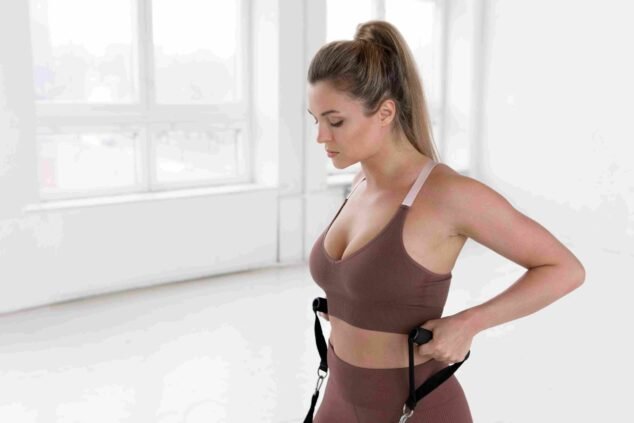
Introduction to Saggy Boobs After Weight Loss
Losing weight feels amazing, right? Clothes fit better, energy levels go up, confidence improves—but then you look in the mirror and notice something unexpected: saggy boobs. Yep, it’s one of the most common side effects of weight loss, yet hardly anyone talks about it openly.
If you’re dealing with saggy boobs after weight loss, you’re not alone—and no, it doesn’t mean you did something wrong. Think of your skin like a stretched rubber band. When the weight goes up, it stretches. When weight drops fast, it doesn’t always snap back right away.
Let’s break this topic down in a real, honest, and practical way.
Table of Contents
Why Do Breasts Sag After Weight Loss?
Role of Fat Loss in Breast Volume
Breasts are mostly made of fat tissue, not muscle. When you lose weight, fat loss happens everywhere—including your breasts. As volume decreases, the skin that once held that fat may appear loose or saggy.
It’s like deflating a balloon. The balloon doesn’t disappear, but it loses its shape.
Skin Elasticity and Collagen Breakdown
Skin elasticity depends on collagen and elastin. If these fibers are weak—due to age, genetics, or lifestyle—the skin struggles to tighten after weight loss.
Impact of Rapid vs Slow Weight Loss
Fast weight loss is one of the biggest culprits. When you lose weight too quickly, your skin doesn’t get enough time to adapt, leading to sagging.
Age and Hormonal Changes
As we age, estrogen levels drop, especially after 30 or post-pregnancy. Lower estrogen means less collagen, which equals less firmness.
Is Saggy Boobs After Weight Loss Normal?
Absolutely. It’s extremely normal.
Whether you lose 10 pounds or 100 pounds, breast sagging can happen. The degree varies, but the experience is common—and temporary in many cases.
Factors That Increase Breast Sagging
Large Breast Size
The larger the breasts, the more gravity comes into play. Heavier breasts stretch the skin more over time.
Genetics
Some people naturally have better skin elasticity. Others don’t. It’s not fair—but it’s real.
Smoking and Lifestyle Habits
Smoking destroys collagen. Poor sleep, dehydration, and lack of nutrients don’t help either.
Pregnancy and Breastfeeding History
Pregnancy stretches breast tissue significantly. Weight loss afterward may make sagging more noticeable.
How Much Weight Loss Causes Saggy Breasts?
There’s no exact number. Some people notice changes after losing 15–20 pounds, while others lose 50+ pounds with minimal sagging. It depends on speed, age, skin quality, and starting breast size.
Can Saggy Boobs Be Tightened Naturally?
Yes—to a certain extent.
Chest Exercises That Help
While you can’t turn breasts into muscle, strengthening the chest muscles underneath can lift and support them.
Best Push-Up Variations
- Standard push-ups
- Incline push-ups
- Knee push-ups
Dumbbell Chest Workouts
- Chest presses
- Chest flyes
- Dumbbell pullovers
Consistency matters more than intensity here.
Diet Tips to Improve Skin Firmness
Protein and Collagen-Rich Foods
Your skin needs building blocks. Focus on:
- Eggs
- Fish
- Bone broth
- Chicken
- Greek yogurt
Vitamins That Support Skin Elasticity
Vitamin C, E, and Zinc are skin heroes. Fruits, nuts, and leafy greens should be on your plate daily.
Importance of Proper Bra Support After Weight Loss
Choosing the Right Bra Size
Your old bra might not fit anymore—and that’s a big deal. Poor support can worsen sagging.
Sports Bras vs Everyday Bras
Sports bras are essential during workouts to reduce bounce and strain on breast tissue.
Skincare Remedies for Saggy Boobs
Massage Oils and Creams
Massaging improves blood flow and skin texture. Use:
- Almond oil
- Olive oil
- Vitamin E oil
Does Cocoa Butter Really Work?
It helps moisturize and improve appearance—but don’t expect miracles. Think improvement, not perfection.
Medical and Cosmetic Treatments
Non-Surgical Options
Radiofrequency and Laser Therapy
These stimulate collagen production and gradually tighten skin.
Surgical Options
Breast Lift Surgery Explained
A breast lift (mastopexy) removes excess skin and reshapes the breast. It’s effective, but it comes with a cost and recovery time.
Can Weight Gain Fix Saggy Breasts?
Temporary fullness? Maybe. A permanent solution? No.
Weight gain may add fat back, but it won’t fix stretched skin—and can create new problems.
How to Prevent Saggy Boobs During Weight Loss
Lose Weight Gradually
Aim for 1–2 pounds per week.
Stay Hydrated
Hydrated skin is elastic skin.
Maintain Muscle Mass
Strength training preserves structure under the skin.
Mental and Emotional Impact of Saggy Breasts
This part matters. Body changes can affect confidence deeply. Remember: your body carried you through change, growth, and effort. Sagging doesn’t erase progress—it proves it.
When to See a Doctor or Specialist
If sagging is severe, painful, or affecting posture, consult a dermatologist or plastic surgeon for options.
Myths About Saggy Boobs After Weight Loss
- ❌ Exercise alone cannot fully fix sagging
- ❌ Creams work overnight
- ❌ Only overweight women experience it
All false.
Conclusion
Saggy boobs after weight loss are common, natural, and nothing to be ashamed of. Your body changed—and that’s okay. With the right mix of patience, exercise, nutrition, skincare, and support, improvement is possible. Progress isn’t just about the scale—it’s about learning to work with your body, not against it.
FAQs
- Will saggy boobs tighten over time after weight loss?
Yes, mild sagging can improve over 6–12 months as skin adjusts. - Can exercise completely fix saggy breasts?
No, but it can significantly improve appearance and lift. - Are saggy boobs after weight loss permanent?
Not always. Severity depends on skin elasticity and the degree of weight loss. - Do breast firming creams really work?
They help with skin texture but won’t dramatically lift breasts. - Is surgery the only guaranteed solution?
Surgery offers the most visible results, but it’s optional—not necessary for everyone.

