
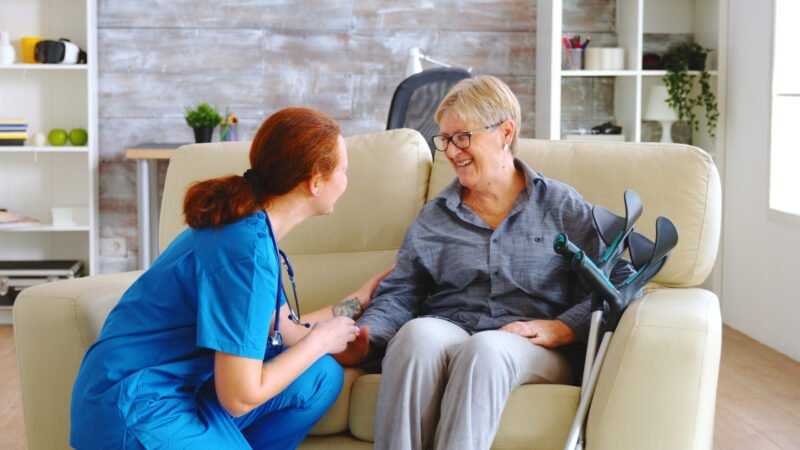
Healthcare is changing fast, and one role that’s gaining serious attention is home health nurse jobs. Instead of working inside busy hospitals, home health nurses bring care directly to patients’ homes. Sounds personal, right? That’s because it is.
What Does a Home Health Nurse Do?
A home health nurse provides medical care to patients where they feel most comfortable—their own home. These nurses handle tasks like wound care, medication management, injections, monitoring vital signs, and educating patients and families. Think of them as a bridge between hospital care and everyday life.
Unlike hospital nurses who care for many patients at once, home health nurses focus on one patient at a time. This allows deeper connections, better care, and more personalized treatment plans.
Why Home Health Nursing Is Growing Fast
Why is everyone talking about home health nurse jobs lately? Simple. The population is aging, chronic illnesses are increasing, and hospitals are overcrowded. Home care is often safer, more affordable, and emotionally comforting for patients.
On top of that, many patients recover faster at home. That makes home health nursing not just a trend, but the future of healthcare.
Table of Contents
Understanding the Role of a Home Health Nurse
Before jumping into this career, it’s important to understand what the job truly involves.
Daily Responsibilities and Duties
A typical day for a home health nurse can include:
- Assessing patient health conditions
- Administering medications and injections
- Changing dressings and managing wounds
- Monitoring blood pressure, glucose, and vitals
- Creating and updating care plans
- Educating patients and caregivers
Each visit is different. One day you may help a post-surgery patient recover, the next day you might support someone managing diabetes or heart disease.
Types of Patients Home Health Nurses Care For
Home health nurses work with a wide range of patients, including:
- Elderly individuals
- Post-operative patients
- People with chronic illnesses
- Patients with disabilities
- Terminally ill patients receiving palliative care
Short-Term vs Long-Term Patient Care
Some patients need care for a few weeks after surgery. Others may require long-term support due to chronic conditions. This variety keeps home health nurse jobs interesting and emotionally rewarding.
Skills Required for Home Health Nurse Jobs
Being a successful home health nurse isn’t just about medical knowledge. It’s about balance—clinical skill mixed with human connection.
Clinical Skills Every Home Health Nurse Needs
Strong nursing fundamentals are a must. These include:
- Patient assessment
- IV therapy
- Wound care
- Pain management
- Infection control
Since you’re often working alone, confidence in your clinical decisions is crucial.
Communication and Interpersonal Skills
Home health nurses jobs don’t just treat patients—they educate and comfort them. Clear communication helps patients understand their treatment and feel safe. You’ll also interact with family members, doctors, and care coordinators regularly.
Good communication turns confusion into clarity and fear into trust.
Time Management and Independence
No supervisor hovering nearby. No team at arm’s length. Home health nurses must manage their schedules, travel between homes, and make independent decisions. If you enjoy freedom and responsibility, this role fits like a glove.
Educational Requirements and Licensing
Wondering what it takes to land home health nurse jobs? Let’s break it down.
Degrees Needed for Home Health Nursing
Most employers require one of the following:
- Licensed Practical Nurse (LPN)
- Associate Degree in Nursing (ADN)
- Bachelor of Science in Nursing (BSN)
While LPNs can work in home health, RNs often have more opportunities and higher pay.
Certifications That Boost Your Career
Optional certifications can give you an edge, such as:
- Certified Home Health Nurse (CHHN)
- Basic Life Support (BLS)
- Advanced Cardiac Life Support (ACLS)
These credentials show dedication and professionalism.
State Licensing and Legal Requirements
Every home health nurse must hold an active nursing license in their state. Some states also require background checks, continuing education, and agency-specific training.
Work Environment and Schedule Flexibility
One of the biggest attractions of home health nurse jobs is flexibility.
Typical Workday of a Home Health Nurse
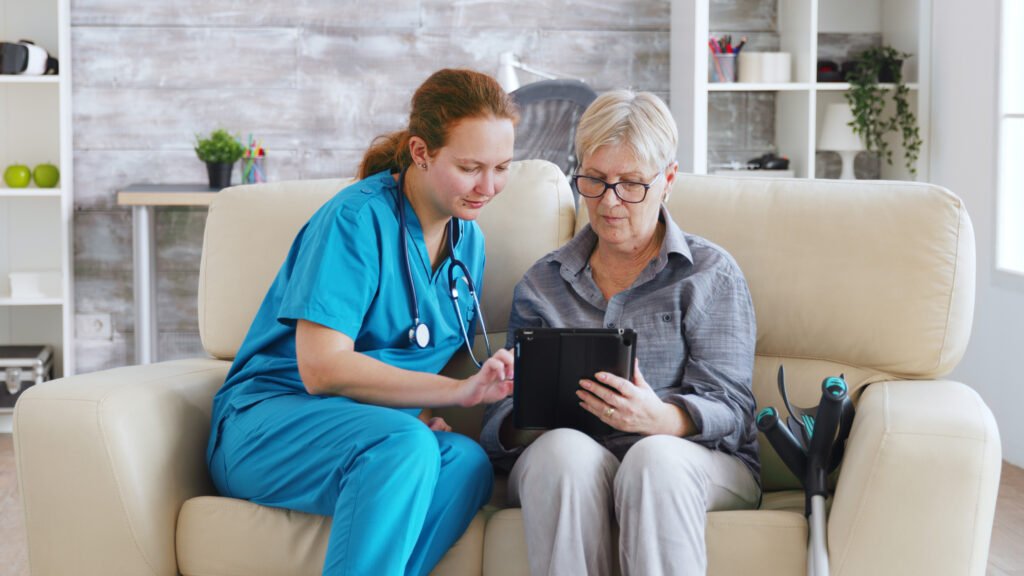
Your day might start with reviewing patient notes, followed by scheduled home visits. You travel between locations, document care digitally, and communicate with doctors remotely. It’s less chaotic than hospital shifts and more predictable.
Full-Time vs Part-Time Opportunities
Home health nursing offers:
- Full-time positions
- Part-time roles
- Per-visit or contract work
This flexibility makes it ideal for parents, students, or nurses seeking work-life balance.
Salary Expectations for Home Health Nurse Jobs
Let’s be honest—salary matters. One of the most common questions people ask about home health nurse jobs is, “How much can I earn?”
Average Salary by Experience Level
Home health nurse salaries vary depending on experience and qualifications. Entry-level nurses typically earn less, while experienced RNs with specialized skills can earn significantly more.
In general:
- LPNs earn a moderate but stable income
- RNs earn higher salaries, especially with experience
- Nurses with certifications or supervisory roles earn even more
As your confidence and caseload grow, so does your earning potential.
Factors That Affect Home Health Nurse Pay
Several factors influence pay, including:
- Location (urban vs rural)
- Type of employer (agency, hospital, private)
- Patient complexity
- Travel distance
- Certifications and education
Full-Time vs Per-Visit Pay Models
Some nurses are paid hourly or salaried, while others are paid per patient visit. Per-visit pay can be lucrative if you manage time efficiently, but salaried roles offer predictable income and benefits.
Benefits of Working in Home Health Nursing
Money aside, the benefits of home health nurse jobs go far beyond a paycheck.
Work-Life Balance and Flexibility
Unlike hospital shifts that stretch into nights and weekends, home health nursing often offers flexible schedules. You can plan visits around your life, not the other way around.
Need time for family or studies? This career gives you breathing room.
Emotional Rewards of Patient-Centered Care
There’s something powerful about helping someone heal in their own home. You’re not just a nurse—you’re a trusted presence. Watching patients regain independence feels like planting a seed and watching it grow.
Career Stability and Job Security
Healthcare isn’t going anywhere, and home care demand is rising fast. This means strong job security and long-term career stability.
Challenges Faced in Home Health Nurse Jobs
Every career has its challenges, and home health nursing is no exception.
Working Independently Without Immediate Support
Unlike hospitals, there’s no rapid-response team nearby. Nurses must rely on their judgment and training. This independence can feel intimidating at first but empowering over time.
Travel, Safety, and Scheduling Issues
Driving between homes takes time and energy. Weather, traffic, and unfamiliar neighborhoods can add stress. Agencies usually provide safety guidelines, but awareness and preparation are key.
Emotional Burnout and How to Manage It
Caring deeply can be emotionally draining. To avoid burnout:
- Set healthy boundaries
- Take breaks
- Seek peer support
- Practice self-care
You can’t pour from an empty cup.
Job Outlook and Future Demand
The future looks bright for home health nurse jobs.
Growing Demand for Home Health Nurses
With aging populations and rising chronic conditions, more patients prefer home-based care. This demand means more jobs, better pay, and career growth opportunities.
How Technology Is Shaping Home Health Care
Technology is making home health nursing smarter and easier. Digital charting, telehealth, and remote monitoring reduce paperwork and improve patient outcomes.
How to Apply for Home Health Nurse Jobs
Ready to take the next step? Here’s how to land the job.
Where to Find Home Health Nursing Jobs
You can find opportunities through:
- Home health agencies
- Hospitals
- Online job boards
- Professional nursing networks
Referrals also play a big role, so networking helps.
Resume and Interview Tips
Highlight:
- Independent work experience
- Patient education skills
- Time management abilities
- Home care or community health experience
During interviews, show confidence, compassion, and adaptability.
Standing Out as a Strong Candidate
Certifications, strong references, and a caring attitude can set you apart. Employers look for nurses who are skilled and trustworthy.
Who Should Consider a Career in Home Health Nursing?
Is This Career Right for You?
Home health nursing is ideal if you:
- Enjoy one-on-one care
- Value independence
- Want flexible schedules
- Prefer meaningful patient relationships
If hospitals feel overwhelming, this path might feel like coming home.
Conclusion
Home health nurse jobs offer a unique blend of flexibility, independence, and emotional fulfillment. You’re not just treating illnesses—you’re improving lives where it matters most. With growing demand, strong job security, and personal rewards, home health nursing is more than a job. It’s a calling.
Frequently Asked Questions (FAQs)
- Do home health nurses work alone?
Yes, but they stay connected with doctors and care teams through regular communication. - Is home health nursing stressful?
It can be challenging, but many nurses find it less stressful than hospital work. - Can new nurses apply for home health nurse jobs?
Some agencies prefer experience, but entry-level opportunities do exist. - Do home health nurses need special certifications?
Certifications aren’t always required but can improve job prospects. - Is home health nursing a good long-term career?
Absolutely. The demand is strong, and growth opportunities are expanding.

