
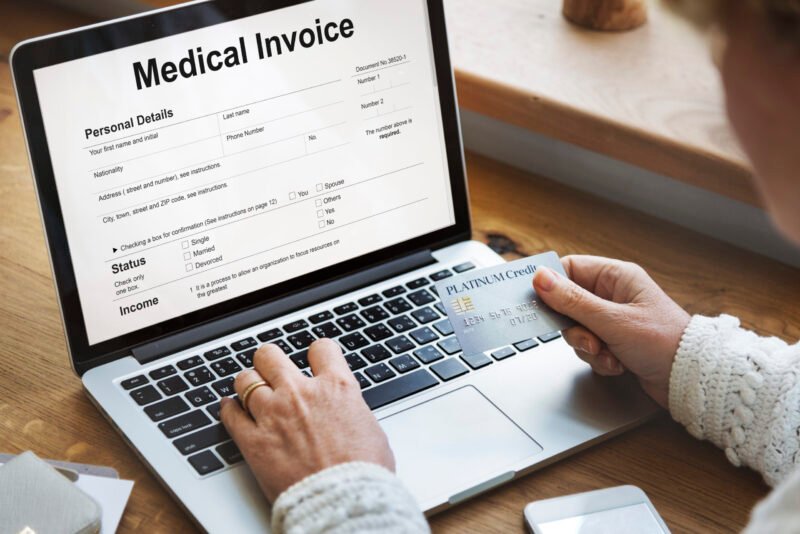
Managing healthcare expenses can already feel overwhelming, and missing a health insurance payment only adds fuel to the fire. That’s where understanding the health connector pay bill becomes essential. Whether you’re new to Health Connector or just looking for a smoother way to manage payments, this guide will walk you through everything step by step—without the confusion.
Think of your Health Connector bill like rent for your health coverage. Pay it on time, and everything runs smoothly. Miss it, and you may find yourself locked out when you need care the most.
What Is a Health Connector pay bill?
Health Connector pay bill is a health insurance marketplace that allows individuals and families to shop for, compare, and enroll in affordable health plans. It acts as a bridge between people and insurance providers, helping users access coverage that fits their budget and needs.
Many people qualify for financial help, which reduces monthly premiums. However, even with assistance, timely payments are critical to keep your coverage active.
Why Paying Your Health Connector Pay Bill Matters
Paying your Health Connector bill isn’t just about staying compliant—it’s about staying protected. Missing a payment can lead to delayed claims, coverage termination, or even policy cancellation.
Imagine paying for a gym membership but forgetting to renew it—your key stops working. Health insurance works the same way. If the bill isn’t paid, access disappears.
Table of Contents
Understanding the Health Connector Billing System
Before you pay, it helps to understand how the billing system works.
How Health Connector Premiums Work
Health Connector premiums are typically billed monthly. The amount depends on:
- Your selected health plan
- Household size
- Income level
- Any subsidies or tax credits applied
Your bill reflects the portion you must pay after financial assistance is deducted.
Monthly Billing Cycles Explained
Health Connector usually requires payment before the start of each coverage month. For example, a January bill must often be paid by late December.
Missing the deadline doesn’t always mean instant cancellation, but it does start a countdown.
Grace Periods and Late Payments
Most plans offer a short grace period. This is a buffer window where you can still pay without losing coverage. However:
- Claims may be paused
- Coverage can be terminated if payment isn’t received
- Reinstatement is not guaranteed
The safest move? Pay early and avoid the stress altogether.
Different Ways to Pay Your Health Connector Bill
Health Connector offers multiple payment options, making it easier to choose what works best for you.
Pay Health Connector Pay Bill Online
This is the fastest and most popular method.
Paying Through the Official Website
By logging into your Health Connector pay bill account, you can view your balance, due date, and payment history in one place. Online payments are processed quickly, reducing the risk of delays.
Using Bank Accounts or Credit Cards
Most users pay using:
- Checking or savings accounts
- Debit cards
- Credit cards
Some payment methods may process faster than others, so plan accordingly.
Pay by Mail
If you like using offline payment methods, you can choose to send your payment by check or money order through the mail.Just remember:
- Mail takes time
- Late arrival can cause missed payments
- Always include your account number
Mail payments at least 7–10 days before the due date.
Pay by Phone
Some users can pay their Health Connector pay bill over the phone. This option is useful if:
- You don’t have internet access
- You need assistance during payment
- You want confirmation from a representative
Step-by-Step Guide to Pay Health Connector pay Bill Online
Let’s break it down into simple steps.
Creating and Accessing Your Account
First, log in to your Health Connector account using your username and password. If you’re a new user, you’ll need to create an account using your personal details and policy information.
Navigating the Payment Dashboard
Once logged in:
- Go to the billing or payments section
- Review your total amount due
- Select your payment method
- Enter payment details carefully
Double-check everything before submitting.
Confirming and Saving Payment Receipts
After payment:
- You’ll receive a confirmation message
- Save or screenshot the receipt
- Keep email confirmations for records
These receipts act like proof of rent—you’ll want them if questions come up later.
Common Problems While Paying Health Connector Bills
No matter how reliable the system is, occasional problems may still arise.
Payment Failures and Errors
Sometimes payments fail due to:
- Incorrect bank details
- Expired cards
- System maintenance
If this happens, retry immediately or choose another payment method.
Missed Payments and Coverage Risks
Missed payments can result in:
- Delayed claims
- Temporary coverage suspension
- Full policy cancellation
Setting reminders or enabling auto-pay can help avoid these headaches.

Setting Up Auto-Pay for Health Connector Pay Bills
If you’re the type who hates deadlines (who doesn’t?), auto-pay is your best friend.
What Is Auto-Pay and How It Works
Auto-pay automatically deducts your monthly premium from your bank account or card before the due date. Think of it like cruise control—you set it once, and it keeps things moving smoothly.
Once enabled, Health Connector pulls the payment each month without you lifting a finger.
Benefits of Using Auto-Pay
Auto-pay isn’t just convenient—it’s protective.
Key benefits include:
- No missed due dates
- Continuous health coverage
- Less mental load and stress
- Fewer late fees or disruptions
For busy households or self-employed individuals, auto-pay is a lifesaver.
How to Enable Auto-Pay Step by Step
To enable auto-pay:
- Log in to your Health Connector account
- Go to the billing or payment settings
- Choose “Auto-Pay” or “Recurring Payments”
- Enter your bank or card details
- Confirm and save
Always double-check your payment source to avoid failed deductions.
How to Check Health Connector Payment Status
After paying, it’s smart to confirm everything went through.
Viewing Payment History Online
Your account dashboard shows:
- Paid invoices
- Pending payments
- Failed transactions
This history is like a financial diary—use it to stay informed.
What to Do If Payment Is Pending
Most pending transactions are typically processed and completed within a few working days.If it stays pending too long:
- Check your bank account
- Look for email alerts
- Contact Health Connector support
Don’t ignore pending statuses—they can quietly turn into missed payments.
What to Do If You Miss a Health Connector Payment
Missed payments happen. The key is acting fast.
Grace Period Rules Explained Simply
Most plans offer a limited grace period, typically around one month. During this time:
- Coverage may continue temporarily
- Claims might be held
- Final cancellation can still occur
Paying within the grace period can save your coverage.
Reinstating Coverage After a Missed Payment
If your coverage is terminated:
- Log in and check reinstatement options
- Contact customer support immediately
- Be prepared to pay outstanding balances
Reinstatement isn’t guaranteed, but quick action improves your chances.
Health Connector Customer Support for Billing Issues
When things get confusing, human help matters.
When to Contact Health Connector Support
Reach out if:
- Payments fail repeatedly
- Your bill amount looks incorrect
- Coverage status changes unexpectedly
- Auto-pay doesn’t process
Ignoring billing issues rarely fixes them.
Tips for Faster Support Resolution
To save time:
- Have your account ID ready
- Note payment dates and amounts
- Take screenshots of errors
- Stay calm and clear
Think of it like talking to a mechanic—the more details you give, the faster the fix.
Smart Tips to Never Miss a Health Connector Payment
A few habits can save you a lot of trouble.
Set Reminders and Alerts
Even with auto-pay, set:
- Phone reminders
- Calendar alerts
- Email notifications
Redundancy beats regret.
Review Your Bill Every Month
Life changes—income, family size, subsidies. Reviewing your bill helps catch errors early and ensures you’re paying the right amount.
Update Payment Details Promptly
Expired cards or closed bank accounts are common causes of payment failure. Update your details as soon as anything changes.
Conclusion
Managing your health connector pay bill doesn’t have to feel complicated or stressful. With the right setup—online payments, auto-pay, reminders, and regular checks—you can keep your coverage active without constant worry. Health insurance works best when it’s invisible in your daily life, quietly protecting you in the background. Stay proactive, stay informed, and let your coverage work for you—not against you.
Frequently Asked Questions (FAQs)
1. Can I pay my Health Connector bill early?
Yes, paying early is allowed and recommended to avoid last-minute issues.
2. What happens if my auto-pay fails?
You’ll need to make a manual payment immediately to avoid coverage disruption.
3. Can I change my payment method anytime?
Yes, you can update your bank or card details through your account dashboard.
4. Is there a fee for paying Health Connector bills online?
Typically, no extra fees apply, but this may depend on your payment method.
5. How can I confirm that my payment went through successfully?
You’ll receive an on-screen confirmation and usually an email receipt.

