
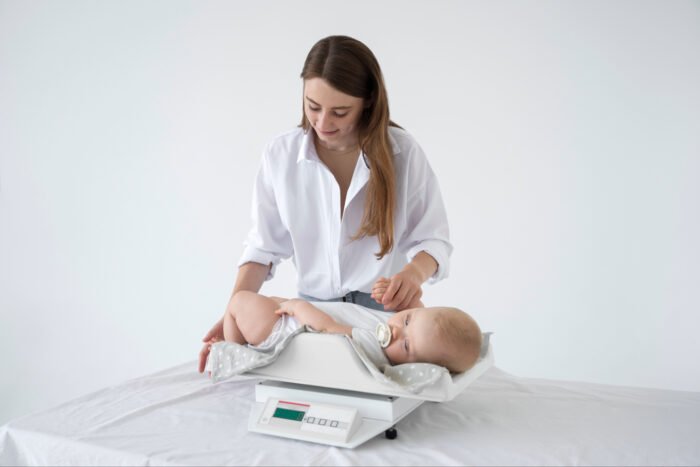
Calculating Weight Loss in Newborns: Why Babies Lose Weight After Birth
Almost every parent feels shocked at first.
You wait nine months for your baby to arrive… and then you hear they have lost weight. It sounds scary, but in most cases, newborn weight loss is completely normal.
Natural Fluid Loss
Right after birth, babies carry extra fluid in their bodies. In the first few days, they pass this fluid through urine and stool. It’s just the body adjusting. When you think about calculating weight loss in newborns, a good part of that early drop is simply water weight.
Feeding Adjustment Period
During the first few days, feeding is still settling in. For mothers who breastfeed, milk usually takes about 2 to 4 days to come in fully. Until then, babies are learning to latch and feed properly. While they adjust, they burn energy, which can lead to a small drop in weight. This is another reason why calculating weight loss in newborns is important — it helps doctors see what is normal and what is not.
Breastfed vs. Formula-Fed Babies
Breastfed babies often lose a little more weight in the beginning compared to formula-fed babies. That’s because breast milk supply builds step by step. When calculating weight loss in newborns, doctors keep this difference in mind so parents don’t worry without reason.
In most healthy babies, this early weight loss is temporary. They usually start gaining weight within a few days once feeding is well established.
Table of Contents
How Much Weight Loss Is Normal?
Here’s the simple answer:
- Up to 7% of birth weight → Very common
- 7–10% → Needs closer monitoring
- More than 10% → The pediatrician should evaluate
Most healthy, full-term babies regain their birth weight by 10 to 14 days.
Premature babies may follow a different pattern and need special monitoring.
How to Calculate Newborn Weight Loss
This is easier than it sounds.
The Formula
[
\text{Weight Loss %} = \frac{\text{Birth Weight – Current Weight}}{\text{Birth Weight}} \times 100
]
Simple, right?
Step-by-Step Example
Let’s say:
- Birth weight: 3.5 kg
- Current weight: 3.2 kg
Step 1: 3.5 – 3.2 = 0.3 kg
Step 2: 0.3 ÷ 3.5 = 0.085
Step 3: 0.085 × 100 = 8.5% weight loss
That’s within normal range but should be monitored.
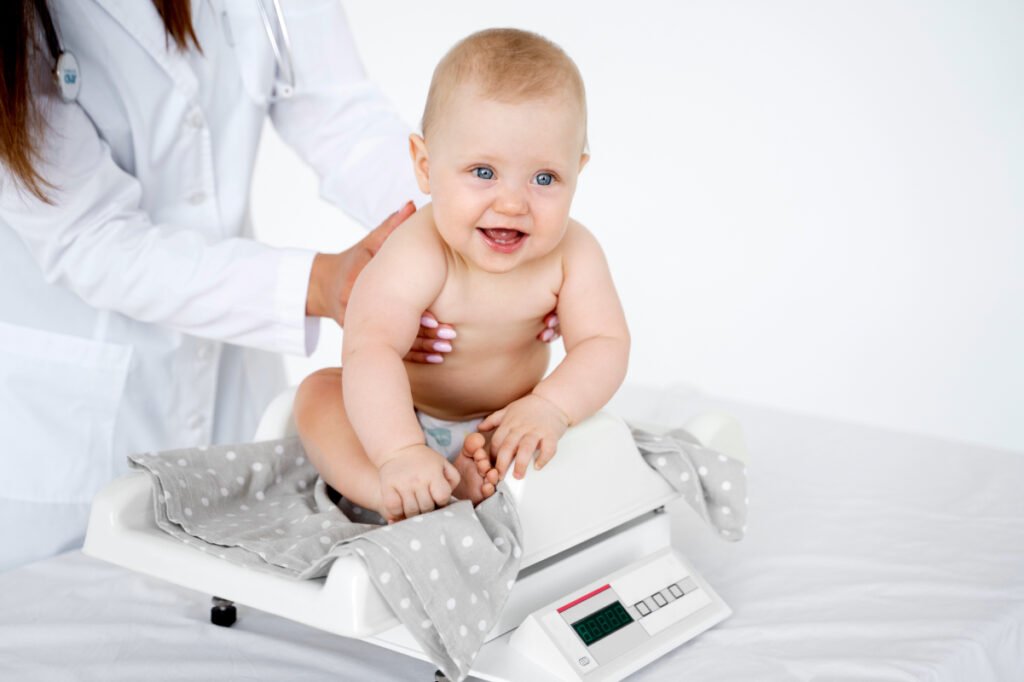
Newborn Weight Loss Percentage Chart
Birth Weight | Current Weight | % Loss | Interpretation |
3.0 kg | 2.85 kg | 5% | Normal |
3.5 kg | 3.2 kg | 8.5% | Monitor |
4.0 kg | 3.5 kg | 12.5% | Call doctor |
This quick table helps you understand at a glance.
When Should You Be Concerned?
Some signs matter more than the number.
Warning Signs
- Weight loss over 10%
- Baby seems very sleepy
- Poor feeding
Signs of Dehydration
- Fewer than 3 wet diapers per day
- Dry lips
- Sunken soft spot on the head
Poor Feeding Indicators
- Baby falls asleep immediately while feeding
- Weak sucking
- Crying constantly after feeds
If you notice these, contact your pediatrician.
Factors That Affect Weight Loss
Breastfeeding Challenges
An improper latch can reduce milk transfer. Even if a baby is feeding often, they may not be getting enough milk.
Cesarean Birth
Babies born via C-section may lose slightly more weight early on due to extra fluids during delivery.
Delayed Milk Supply
Sometimes milk takes longer to come in, especially for first-time mothers.
Medical Conditions
Jaundice, tongue-tie, or infections can also affect feeding and weight.
Breastfed vs Formula-Fed Babies
Here’s a simple comparison:
Factor | Breastfed | Formula-Fed |
Early weight loss | Slightly higher | Slightly lower |
Milk timing | 2–4 days | Immediate |
Digestion speed | Faster | Slower |
Feeding frequency | More frequent | Less frequent |
Pros and Cons
Breastfeeding Pros:
- Natural antibodies
- Perfect nutrition balance
Breastfeeding Cons:
- The initial weight drop may be higher
- Requires a strong latch
Formula Pros:
- Easy to measure intake
- Predictable feeding
Formula Cons:
- No natural antibodies
- Can be harder to digest
How Doctors Monitor Newborn Weight
Hospital Checks
Babies are weighed daily in the hospital.
First Pediatric Visit
Usually, 3–5 days after birth. This is very important.
Growth Charts
Doctors use standardized growth charts to track trends — not just one number.
How to Help Your Baby Regain Weight
Feed Frequently
Newborns need 8–12 feeds in 24 hours.
Improve Latch
A deep latch makes a huge difference. Don’t hesitate to ask a lactation consultant.
Supplement When Needed
If weight loss is high, doctors may suggest a temporary formula or pumped milk.
Pros and Cons of Monitoring at Home
Pros
- Peace of mind
- Early detection
- Better feeding awareness
Cons
- Can create anxiety
- Scales may not be accurate
- Daily weighing isn’t always needed
Remember, trends matter more than one reading.
Common Mistakes Parents Make
- Panicking too early
- Comparing babies to others
- Feeding on strict schedules instead of the baby’s cues
- Ignoring diaper counts
Your baby is unique.
Conclusion
Newborn weight loss can feel scary. But most of the time, it’s completely normal.
The key is simple:
- Know the percentage.
- Watch feeding patterns.
- Count diapers.
- Follow up with your pediatrician.
You can picture it like a child wobbling on their first bicycle ride, slowly finding balance with each try.
The first few wobbles don’t mean you’re falling — they mean you’re adjusting.
Stay calm. Stay informed. Trust the process.
FAQs
1. Is 8% weight loss normal for a newborn?
Yes, up to 7–10% can be normal, especially in breastfed babies. Monitoring is important.
2. When should newborns regain birth weight?
Most babies regain it by 10 to 14 days.
3. How often should newborns be weighed?
Usually at birth, daily in the hospital, and at the first pediatric visit. After that, follow the doctor’s advice.
4. Does C-section cause more weight loss?
Sometimes slightly more in the early days due to fluid shifts.
5. Can dehydration happen quickly in newborns?
Yes. That’s why diaper count and feeding behavior matter so much.

