
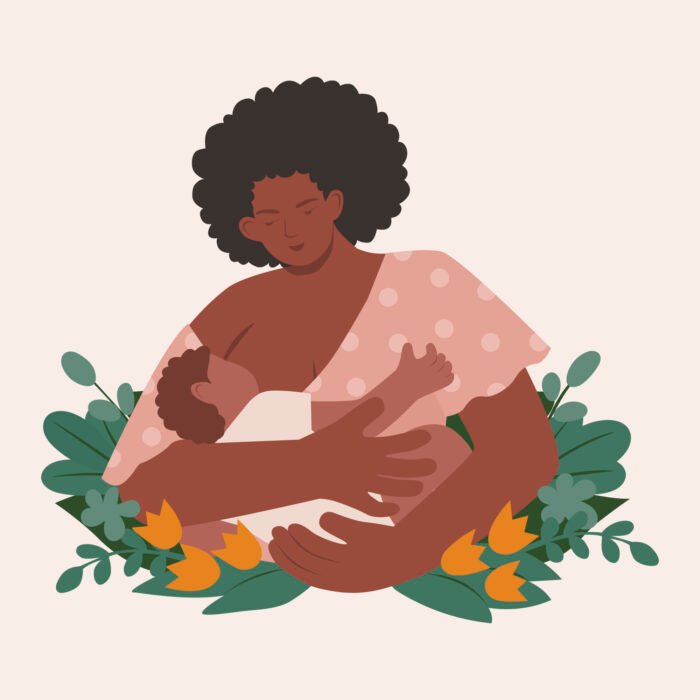
Black Maternal Health Week (BMHW) 2025is not just an awareness campaign; it is a movement that demands action, justice, and change. Held annually from April 11-17, BMHW is a crucial platform for addressing the maternal health crisis faced by Black birthing people. The goal of this week is to highlight the racial disparities in maternal health outcomes, center Black voices, and push for systemic change.
The theme for 2025 is “Healing Legacies: Empowering Black Maternal Health Through Collective Action and Advocacy.” It highlights the importance of acknowledging the historical harm caused by systemic inequalities while advocating for change.systemic racism and the strength of the Black community’s resistance and resilience. This year, BMHW serves as a call to action for communities, health professionals, and policymakers to work together toward creating lasting change that improves the lives of Black birthing people.
Table of Contents
What Is Black Maternal Health Week 2025?
Dates and Global Significance
Black Maternal Health Week takes place from April 11–17, coinciding with National Minority Health Month and beginning on the International Day for Maternal Health and Rights. This alignment amplifies the urgency and global significance of improving maternal health for Black birthing people. The week highlights the specific issues and challenges faced by Black families and demands that Black maternal health be recognized as a priority in public health discussions.
Who Leads Black Maternal Health Week?
BMHW was founded and is led by the Black Mamas Matter Alliance (BMMA), a Black woman-led organization that works across sectors to improve the health and well-being of Black mothers and birthing people. Through the week’s events, the BMMA brings attention to the gaps in maternal healthcare, shares resources, and advocates for better policies. Their leadership is crucial in creating spaces where Black voices can be heard and respected in the ongoing fight for health equity.
The 2025 Theme – “Healing Legacies: Strengthening Black Maternal Health Through Collective Action and Advocacy”
What “Healing Legacies” Really Means
“Healing legacies” is about confronting the painful history of racial injustice in maternal care while acknowledging the power of Black-led resistance and community healing practices. Black birthing people have historically been marginalized, disrespected, and neglected by medical systems. However, there is also a legacy of strength, resistance, and advocacy led by Black midwives, doulas, and community leaders. This theme calls us to recognize the harm caused by these historical systems and the ways Black communities have fought to reclaim control over their health.
Why Collective Action Matters Now
Black maternal health is a crisis that cannot be solved by individuals alone. The U.S. sees Black birthing people die from pregnancy-related causes at a rate more than three times higher than white people. This statistic underscores the failure of the healthcare system, where structural racism, unequal access to care, and discrimination continue to take lives. Collective action is needed to change the systems that perpetuate these disparities. This means communities organizing, health professionals improving their practices, and policymakers passing laws that ensure better care for Black birthing people.
Why Black Maternal Health Week 2025 Matters
The Reality of Black Maternal Mortality
The statistics on Black maternal mortality are alarming and demand attention. Black women and birthing people face pregnancy-related deaths at a rate of approximately 50 deaths per 100,000 live births, compared to 14-15 per 100,000 for white women. These deaths are often preventable, and many occur because of racial biases in the healthcare system, lack of access to timely care, and chronic stress resulting from systemic racism. These deaths aren’t just numbers; they are mothers, daughters, sisters, and friends who could have been saved with better care and policies.
Systemic Racism and Health Inequities
Racial disparities in maternal health are directly linked to systemic racism, which affects nearly every aspect of healthcare. Black birthing people experience:
- Dismissed symptoms and pain
- Delays in receiving care
- Lack of access to culturally competent providers
These issues reflect broader inequities in education, employment, housing, and access to healthcare. Addressing these disparities requires a systematic overhaul of the healthcare system, focused on eliminating racism and ensuring that Black birthing people receive the care they deserve.
Mental Health and Birth Trauma
Mental health plays a critical role in Black maternal health. Black birthing people often experience higher levels of birth trauma, which can have lasting psychological and physical effects. Birth-related trauma, combined with a lack of mental health support and the stigma that surrounds it, creates a cycle that is difficult to break. BMHW 2025 aims to raise awareness of these issues and provide a space for discussing and addressing trauma in a supportive, healing environment.
Key Goals of Black Maternal Health Week 2025
Raising Awareness
One of the primary goals of BMHW is to raise awareness about the maternal health disparities Black birthing people face. By sharing stories, data, and resources, BMHW emphasizes the importance of recognizing these issues as urgent public health problems.
Driving Policy and Advocacy
BMHW is a platform for pushing for legislative changes that directly impact Black maternal health. This includes advocating for expanded Medicaid coverage, better data collection on maternal outcomes, and laws that protect Black birthing people from discrimination in healthcare settings.
Centering Black-Led Organizations
Black-led organizations have been at the forefront of advocating for Black maternal health, and BMHW 2025 is a chance to amplify their voices. These organizations often provide community-based care, education, and advocacy that can make a tangible difference in improving outcomes for Black families.

How Communities Are Showing Up in 2025
Local Events, Webinars, and Town Halls
Communities across the country are hosting events during BMHW 2025, including:
- In-person workshops, rallies, and healing circles
- Virtual panels on policy changes, healthcare access, and community solutions
- Public forums where individuals can share their experiences and ideas
These events foster a sense of solidarity and action, empowering individuals and communities to take part in the fight for Black maternal health.
Storytelling, Art, and Social Media Campaigns
Storytelling is a powerful tool for raising awareness about Black maternal health. During BMHW, many individuals share their personal experiences through art, photography, writing, and social media campaigns. These stories humanize the issue and create a deeper understanding of the challenges Black birthing people face.
How You Can Get Involved in Black Maternal Health Week 2025
For Individuals
Even if you’re not a healthcare professional, you can play a role in BMHW:
- Learn and share information: Educate yourself about the disparities in maternal health and share what you learn with others.
- Support Black birthing people: Offer practical help to those in your life who are pregnant or postpartum, whether that’s running errands, providing meals, or simply listening.
For Health Professionals
Healthcare providers can also make a difference by:
- Examining their own biases: Implicit biases impact the quality of care provided to Black patients. Taking steps to understand and address these biases is essential.
- Advocating for policy changes: Providers can push for changes within their institutions, ensuring that their practices are equitable and that staff are trained in culturally competent care.
For Organizations and Brands
Organizations and businesses can contribute by:
- Supporting Black-led initiatives: Partner with organizations that focus on Black maternal health, providing financial support or resources to expand their reach.
- Raising awareness: Use your platform to highlight Black-led maternal health work and share important resources during BMHW.
Practical Ways to Support Black Birthing People All Year, Not Just During BMHW
Black Maternal Health Week is a vital part of the movement, but it’s important to support Black birthing people year-round. This can be done by:
- Supporting doulas and midwives: These providers are crucial in improving outcomes for Black birthing people, and they need more financial support and recognition.
Pushing for policy changes: Long-term changes, such as extending postpartum care coverage, diversifying the healthcare workforce, and ensuring equal access to care, will create lasting improvement.
How to Talk About Black Maternal Health Without Causing Harm
When discussing Black maternal health, it’s important to use language that is respectful and person-centered. Avoid trauma-focused narratives that exploit the suffering of Black birthing people for shock value. Instead, focus on their resilience, the solutions they offer, and the change that is possible when we work together.
Resources to Follow During Black Maternal Health Week 2025
- National organizations like the Black Mamas Matter Alliance provide valuable information, support, and advocacy.
Local initiatives offer resources, support, and opportunities for community engagement and action.
Looking Beyond 2025 – Building a Future Where Black Mamas Thrive
The ultimate goal of Black Maternal Health Week 2025 is not just survival but thriving. A future where Black birthing people are respected, supported, and given the resources they need to have safe, healthy pregnancies. This vision can only be achieved through collective action, policy change, and a commitment to long-term solutions.
Conclusion
Black Maternal Health Week 2025 is a powerful opportunity to reflect on the injustices Black birthing people face, but it’s also a call to action. The work doesn’t end after the week is over. We must continue to advocate, support, and fight for Black mamas every day of the year.
FAQs About Black Maternal Health Week 2025
1. When is Black Maternal Health Week 2025?
Black Maternal Health Week 2025 is held from April 11–17.
2. What is the theme for Black Maternal Health Week 2025?
The focus of Black Maternal Health Week 2025 is the theme “Healing Legacies: Enhancing Black Maternal Health Through Unified Action and Advocacy.”
3. Why do we need a specific week focused on Black maternal health?
Black maternal health needs specific attention because of the high maternal mortality rates among Black birthing people. BMHW raises awareness and pushes for necessary policy changes.
4. How can I participate in Black Maternal Health Week 2025?
You can participate by learning about the issue, supporting Black birthing people in your life, and sharing information or attending local events.
5. What can healthcare systems do to improve Black maternal health?
Healthcare systems can improve by extending postpartum care, addressing implicit biases, and ensuring that care is equitable and culturally competent.

