
Introduction
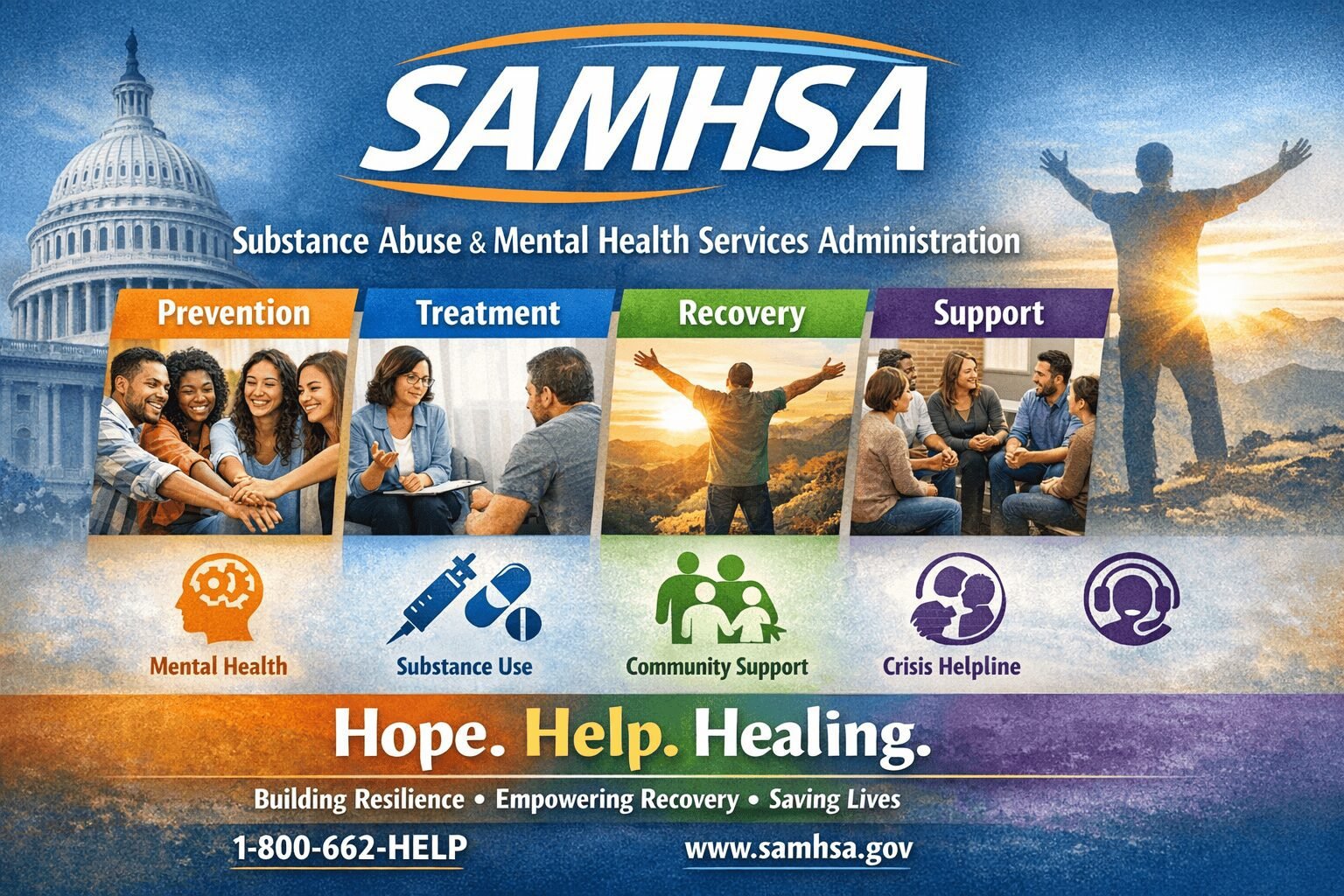
SAMHSA stands for the Substance Abuse and Mental Health Services Administration. It plays a critical role in improving the lives of people affected by mental health conditions and substance use disorders. As part of the U.S. Department of Health and Human Services, SAMHSA focuses on reducing the impact of addiction and mental illness through treatment, research, and public health initiatives. This article will delve into the key aspects of SAMHSA, its programs, and its contributions to public health.
What is SAMHSA?
Overview of SAMHSA
SAMHSA is a federal agency that works to improve the behavioral health of the nation by reducing the impact of substance use and mental health disorders. SAMHSA’s goal is to increase access to effective behavioral health services and foster the development of a strong mental health and substance abuse workforce.
History of SAMHSA
SAMHSA was created in 1992 under the Department of Health and Human Services. Its mission was to focus on improving access to treatment for individuals with mental health and substance use disorders. Over the years, SAMHSA has grown and evolved, expanding its role in advocacy, policy making, and research.
Table of Contents
Key Functions of SAMHSA
Funding for Substance Abuse Treatment
SAMHSA provides substantial funding to programs that help individuals battling substance abuse. These programs include support for treatment centers, community programs, and individuals seeking recovery.
Mental Health Services
In addition to addiction recovery programs, SAMHSA is heavily involved in mental health services. The organization funds mental health programs, advocates for better mental health care, and helps build a framework for mental health services across the country.
Research and Data Collection
SAMHSA also engages in extensive research to better understand mental health and substance use disorders. They collect valuable data on treatment methods, trends in mental health, and the effectiveness of current programs.
SAMHSA’s Role in Public Health
Impact on Communities
SAMHSA has an undeniable impact on communities, particularly in its efforts to reduce stigma and increase awareness about mental health and addiction. By promoting education, treatment programs, and providing critical resources, SAMHSA enhances the lives of many individuals affected by these issues.
Role in Policy Making and Advocacy
SAMHSA is also instrumental in shaping public health policies. The agency advocates for the expansion of mental health services and pushes for legislation that ensures individuals with mental health or substance use disorders receive the necessary support.
SAMHSA Programs
Substance Abuse and Mental Health Services Block Grant
One of SAMHSA’s most important programs is the Substance Abuse and Mental Health Services Block Grant (SABG), which provides funding to states to enhance mental health and substance abuse services in local communities.
Behavioral Health Treatment Services Locator
SAMHSA offers a Behavioral Health Treatment Services Locator to help individuals find local treatment centers for substance use and mental health issues. This easy-to-use tool allows people to connect with services available near them.
National Helpline for SAMHSA
The SAMHSA National Helpline is a 24/7 free confidential service that helps individuals find treatment and support for mental health and substance use disorders. It is an essential resource for anyone seeking help.
How SAMHSA Supports Mental Health
Programs Focused on Mental Illness
SAMHSA focuses heavily on mental illness, offering various programs aimed at increasing awareness, reducing stigma, and ensuring that those who need treatment have access to it.
Initiatives to Raise Awareness of Mental Health
SAMHSA runs various initiatives, including Mental Health Awareness Month, and campaigns aimed at educating the public and eliminating the stigma surrounding mental health disorders.
SAMHSA’s Impact on Addiction Recovery
Support for Addiction Recovery Programs
SAMHSA provides vital support for addiction recovery programs by funding recovery centers and promoting recovery-friendly policies. Through these efforts, SAMHSA aids countless individuals in their journey to recovery.
Integration of Mental Health and Addiction Treatment
One of SAMHSA’s most significant achievements is the integration of mental health and addiction treatment. By treating both aspects simultaneously, SAMHSA helps individuals lead healthier and more fulfilling lives.
SAMHSA’s Data Collection and Research
SAMHSA’s Role in Data Collection
SAMHSA collects data on mental health and substance use trends, which is vital for understanding and addressing these issues. The data gathered helps shape policy decisions and improve the quality of services available to affected individuals.
Research Initiatives for Improving Mental Health and Addiction Treatments
SAMHSA funds groundbreaking research on addiction and mental health treatment. These initiatives aim to find more effective treatments and better understand the root causes of these conditions.
Partnerships with Local Communities
Collaborating with Local Organizations
SAMHSA works closely with local organizations to ensure that the needs of communities are met. These partnerships help deliver services in areas where they are needed most, ensuring that all individuals have access to the care they need.
How SAMHSA Aids Local Initiatives
By supporting local efforts, SAMHSA strengthens communities and provides much-needed resources to individuals in need of mental health and addiction services.
SAMHSA’s Funding and Grant Programs
Types of Funding Offered by SAMHSA
SAMHSA offers various funding opportunities, including grants for research, training, and the expansion of mental health and addiction treatment programs.
How to Apply for SAMHSA Grants
Applying for SAMHSA grants involves a competitive process. Organizations seeking funding can submit proposals outlining how their program aligns with SAMHSA’s mission of improving behavioral health.
SAMHSA’s National Suicide Prevention Lifeline
Services Provided by the Lifeline
SAMHSA’s National Suicide Prevention Lifeline provides critical services for individuals experiencing suicidal thoughts. It provides private assistance and resources designed to prevent suicide and guide individuals towards recovery.
Importance of Suicide Prevention
Suicide prevention is a crucial aspect of SAMHSA’s mission. By offering resources and support to those at risk, SAMHSA is playing an essential role in saving lives.
SAMHSA’s Role in Policy and Legislation
Advocacy for Better Mental Health Services
SAMHSA advocates for improved mental health services through legislative action. This includes pushing for policies that enhance access to care and ensure that services are available to everyone who needs them.
SAMHSA’s Influence on Public Health Policies
Through its efforts in policy-making, SAMHSA influences the direction of public health in the U.S., ensuring that mental health and addiction issues receive the attention they deserve.
Challenges Faced by SAMHSA
Funding Constraints
One of the biggest challenges SAMHSA faces is limited funding. While it strives to help as many people as possible, budget constraints can sometimes limit the reach of its programs.
Stigma Surrounding Mental Health and Substance Abuse
Despite progress, there is still significant stigma surrounding mental health and substance abuse. This can make it harder for individuals to seek help and can hinder the effectiveness of SAMHSA’s programs.
The Future of SAMHSA
Potential for Growth
SAMHSA’s role is likely to grow in the future as the need for mental health and addiction services continues to rise. The agency is focused on expanding its reach and improving the quality of care available.
Innovations in Mental Health and Addiction Treatment
SAMHSA is continuously exploring new approaches to treatment, including the integration of technology and innovative therapies. This focus on innovation will likely improve outcomes for individuals struggling with mental health and substance use disorders.
Conclusion
In conclusion, SAMHSA plays a vital role in improving the behavioral health of the nation. Through its various programs, funding opportunities, and research efforts, SAMHSA helps individuals access the treatment and support they need to recover and lead fulfilling lives. The agency’s continued efforts to improve public health policies, raise awareness, and integrate mental health and addiction care are essential for creating a healthier society.
FAQs
- What does SAMHSA stand for?
SAMHSA, which stands for the Substance Abuse and Mental Health Services Administration, is a U.S. government agency dedicated to enhancing behavioral health. - How does SAMHSA help those struggling with addiction?
SAMHSA provides funding for treatment centers, advocates for addiction recovery programs, and offers resources to help individuals struggling with addiction. - How can someone access SAMHSA services?
Individuals can access SAMHSA services through its National Helpline, behavioral health treatment locator, or by visiting local treatment facilities supported by SAMHSA. - Does SAMHSA provide funding for treatment centers?
Yes, SAMHSA provides grants and funding to treatment centers and organizations working to improve mental health and addiction services. - How can SAMHSA support families dealing with mental health issues?
SAMHSA supports families through educational resources, funding for local mental health programs, and its National Suicide Prevention Lifeline.