

Losing weight is not just about eating less and moving more anymore. If it were that simple, millions of people wouldn’t be stuck in an endless cycle of dieting and regaining weight. This is where peptides for weight loss enter the conversation. They are becoming increasingly popular because they target the root causes of weight gain—hormones, metabolism, and appetite control.
Think of peptides like smart messengers inside your body. Instead of shouting “burn fat!” like extreme diets do, peptides quietly tell your body how to do it properly.
What Are Peptides?
Peptides are small sequences of amino acids that link together to form proteins, acting as fundamental components of many biological processes.Your body naturally produces peptides every day to regulate essential functions like digestion, hunger, growth, and metabolism.
In simple terms, peptides act like text messages sent between cells. When the right message is delivered, your body responds accordingly—by reducing hunger, burning fat, or improving insulin sensitivity.
How Peptides Work in the Human Body
Peptides function by attaching themselves to targeted receptors on the surface of cells, triggering specific biological responses.. Once attached, they trigger biological processes such as:
- Slowing digestion
- Reducing appetite
- Increasing fat breakdown
- Improving blood sugar control
Unlike harsh weight loss methods, peptides support your body instead of shocking it into survival mode.
Table of Contents
Why Weight Loss Is So Hard for Many People
Hormones Control Fat Storage
Hormones like insulin, leptin, ghrelin, and GLP-1 decide whether your body burns fat or stores it. When these hormones are out of balance, weight loss becomes extremely difficult—even with strict dieting.
Why Diets Often Fail
Most diets fail because they ignore biology. Cutting calories too aggressively lowers metabolism, increases hunger hormones, and leads to fatigue. Eventually, the body fights back.
Peptides address this issue by working with your hormones instead of against them.
What Are Peptides for Weight Loss?
Peptides for weight loss are specific compounds designed to improve metabolic function, reduce hunger, and enhance fat burning. They do not force weight loss; instead, they help restore the body’s natural balance.
Compared to supplements, peptides are more targeted. Compared to traditional medications, they are often better tolerated.
Most Popular Peptides for Weight Loss
GLP-1 Peptides
GLP-1 peptides mimic a natural hormone that signals fullness to the brain.
Semaglutide
Semaglutide reduces appetite, slows stomach emptying, and helps control blood sugar. Many people notice they feel full with much smaller meals.
Tirzepatide
Tirzepatide works on two hormone pathways, making it even more effective for weight loss and metabolic health.
AOD-9604
AOD-9604 is a fat-loss-specific peptide. It targets stored fat and helps break it down without affecting muscle or blood sugar levels. This makes it especially attractive for people struggling with stubborn fat.
CJC-1295 and Ipamorelin
These peptides stimulate growth hormone release. Growth hormone plays a key role in fat metabolism, muscle preservation, and energy levels. Together, they help burn fat while maintaining lean muscle mass.
How Peptides Help With Fat Loss
Appetite Suppression
One of the biggest benefits of peptides is natural appetite control. Instead of feeling hungry all day, you simply feel satisfied sooner.
Improved Insulin Sensitivity
Better insulin sensitivity means your body stores less fat and uses energy more efficiently.
Enhanced Fat Burning
Certain peptides directly activate fat-burning pathways, especially in stubborn areas like the belly and hips.
Benefits of Peptides for Weight Loss
- Sustainable, steady fat loss
- Reduced cravings and emotional eating
- Improved energy and focus
- Better metabolic health
- Muscle preservation during weight loss
Unlike crash diets, peptides promote long-term success.
Are There Any Side Effects?
Most people tolerate peptides well, but mild side effects may include:
- Nausea
- Headaches
- Fatigue
- Injection site irritation
These usually decrease as the body adapts.
Who Should Consider Peptides for Weight Loss?
Peptides may be helpful if you:
- Struggle with appetite control
- Have insulin resistance
- Failed traditional dieting methods
- Want medically guided weight loss
However, pregnant women and individuals with certain medical conditions should avoid them unless approved by a healthcare professional.
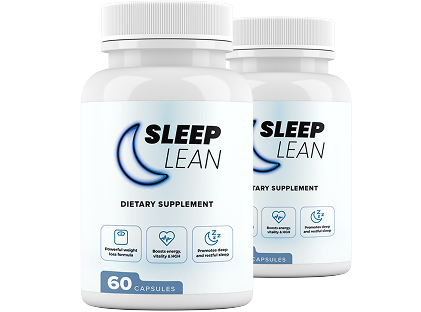
SleepLean – Burn Fat While You Sleep with This Breakthrough Weight Loss Formula
SleepLean is a powerful weight loss supplement designed to support fat burning during sleep by improving metabolism, promoting deeper rest, and reducing late-night cravings. This game-changing formula is delivering record-breaking results, making it a top-performing offer for high-volume affiliates looking to earn big in the weight loss market.
Lifestyle Changes to Maximize Peptides for Weight Loss Results
Peptides can do a lot of heavy lifting, but they work best when paired with smart lifestyle choices. Think of peptides as the engine of a car—diet and exercise are the fuel. Without fuel, even the best engine won’t go far.
Diet Tips While Using Peptides
You don’t need extreme dieting, but some basic rules make a huge difference:
- Focus on high-protein foods to preserve muscle
- Eat whole, unprocessed foods
- Reduce sugar and refined carbs
- Stay hydrated to support metabolism
Peptides naturally reduce appetite, so overeating becomes less tempting.
Exercise Recommendations
You don’t need to train like an athlete. Simple consistency wins:
- Strength training 3–4 times per week
- Light cardio like walking or cycling
- Avoid excessive overtraining, which raises stress hormones
Peptides help protect muscle, making workouts more effective.
Sleep and Stress Management
Poor sleep can sabotage weight loss—even with peptides. Aim for 7–8 hours of quality sleep. Manage stress through light activity, breathing exercises, or simple routines. Lower stress means better fat loss.
Are Peptides Legal and Safe?
Legal Status of Weight Loss Peptides
Some peptides, like certain GLP-1 medications, are FDA-approved. Others are prescribed off-label or used under medical supervision. Laws vary by country, so always consult a licensed healthcare provider.
Why Medical Supervision Matters
Peptides influence hormones. Using them without guidance is like adjusting a car engine without knowing what each part does. Proper supervision ensures:
- Correct dosage
- Fewer side effects
- Safer, long-term results
How Much Do Peptides for Weight Loss Cost?
Average Cost Range
Costs vary depending on the peptide and duration, but generally range from moderate to high. While they may seem expensive upfront, many people spend far more on failed diets, supplements, and gym plans that don’t work.
Are Peptides Worth the Investment?
For people who’ve struggled for years, peptides can be worth it. They don’t just help you lose weight—they help you understand and control your body better.

Common Myths About Peptides for Weight Loss
Let’s clear up a few misunderstandings:
- “Peptides are steroids” – False. They are completely different.
- “You’ll lose weight instantly” – Unrealistic. Sustainable loss takes time.
- “No lifestyle changes needed” – Wrong. Peptides support good habits, not replace them.
Knowledge sets realistic expectations—and better results.
Final Thoughts on Peptides for Weight Loss
Peptides for weight loss are not a miracle cure, but they are a powerful tool. They work by fixing the signals that control hunger, metabolism, and fat storage. When combined with healthy eating, regular movement, and medical guidance, peptides can help people finally break free from the weight loss struggle.
Instead of fighting your body every day, peptides help your body work with you.
Frequently Asked Questions (FAQs)
1. How fast do peptides work for weight loss?
Most people notice appetite changes within 1–2 weeks, with visible fat loss in 8–12 weeks.
2. Can peptides help with stubborn belly fat?
Yes, some peptides specifically target stored fat, including abdominal fat.
3. Do peptides cause muscle loss?
No. Many peptides actually help preserve muscle during weight loss.
4. Are peptides safe for long-term use?
When used under medical supervision, many peptides are considered safe, though long-term studies are ongoing.
5. Can I stop peptides after reaching my goal weight?
Yes. Many people taper off while maintaining results through lifestyle habits.