

In the modern health care system, timely and efficient delivery of medical supplies, equipment, and pharmaceuticals is essential to ensuring patients receive the best care possible. This process is often facilitated by health care logistics, a sector that combines transportation, supply chain management, and distribution to ensure health care providers have what they need when they need it.
Health care logistics goes beyond simply transporting goods from one place to another; it plays a pivotal role in the overall effectiveness of medical services and patient care. From managing inventory and optimizing delivery routes to ensuring that sensitive medical items reach their destination in perfect condition, health care logistics is an integral part of the broader health care ecosystem.
In this article, we’ll explore what health care logistics is, its importance in the health care industry, and how it improves patient outcomes while reducing operational costs.
Table of Contents
1. What is Health Care Logistics?
Health care logistics refers to the processes involved in managing the flow of medical supplies, equipment, pharmaceuticals, and even patients within the health care system. It encompasses a range of activities, including:
- Transportation: Ensuring the safe and timely delivery of medical goods from manufacturers to health care providers (hospitals, clinics, pharmacies).
- Inventory Management: Monitoring stock levels of medical supplies, drugs, and other essentials to avoid shortages or overstocking.
- Warehousing: Storing medical supplies and equipment in specialized facilities, including temperature-sensitive items like vaccines or blood products.
Distribution: Coordinating the movement of goods within health care institutions and between locations.
Health care logistics involves not only physical transportation but also technology and data management to track shipments, predict demand, and monitor the condition of supplies.
2. Why is Health Care Logistics So Important?
The importance of health care logistics can’t be overstated. Here are some key reasons why it’s essential for the health care system:
- Ensures Timely Access to Medical Supplies: In a health care environment, every second counts. Hospitals and clinics must have quick access to essential supplies and medications to treat patients effectively. Efficient logistics ensure there are no delays in treatment due to supply shortages.
- Improves Patient Care: By ensuring that medical supplies and equipment are readily available, logistics directly contribute to better patient outcomes. For example, timely delivery of blood products, surgical instruments, and life-saving medications can make the difference in a patient’s recovery.
- Reduces Operational Costs: Optimized logistics can help hospitals and clinics reduce waste, prevent stockouts, and minimize overstocking. This leads to cost savings in procurement, storage, and transportation.
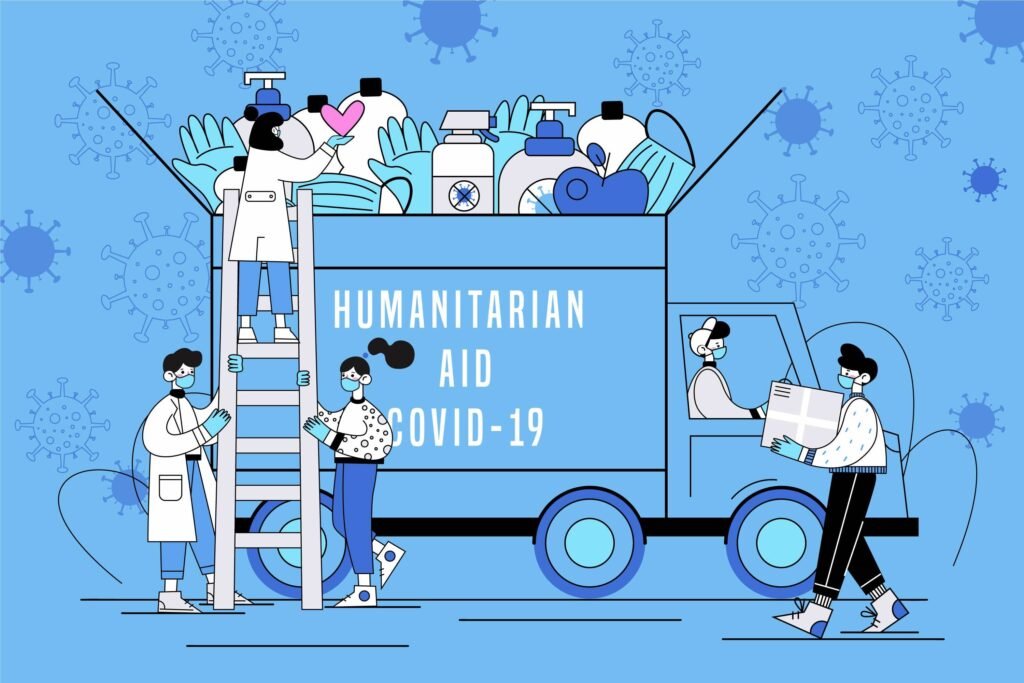
- Supports Emergency and Disaster Response: In times of crises or natural disasters, health care logistics ensures that essential medical resources are quickly delivered to affected areas, often saving lives.
In short, health care logistics plays a crucial role in ensuring the smooth functioning of health systems, enabling providers to deliver optimal care without disruptions.
3. Key Components of Health Care Logistics
Effective health care logistics involves multiple interconnected components that work together to ensure the timely delivery of medical products and services. These include:
Transportation and Delivery
Efficient transportation of medical supplies is the backbone of health care logistics. From pharmaceuticals and vaccines to surgical tools and imaging equipment, transportation ensures that items reach their destination safely and in a timely manner. This includes:
- Cold Chain Logistics: Certain medical supplies, like vaccines, require temperature-controlled environments during transport. Cold chain logistics is crucial to ensuring the integrity of these products.
Emergency Deliveries: In cases of medical emergencies, such as organ transplants or trauma situations, logistics plays a vital role in coordinating urgent deliveries.
Inventory and Supply Chain Management
Health care logistics ensures that medical inventory is closely monitored to avoid both shortages and excesses. Some key strategies include:
- Real-Time Inventory Tracking: Using advanced technology such as barcode scanning and RFID (Radio Frequency Identification) to track medical supplies and equipment in real-time.
- Predictive Analytics: By analyzing past data, logistics teams can predict future demand for medical supplies and plan accordingly, avoiding shortages or waste.
Warehousing and Storage
Proper storage facilities are critical in health care logistics, especially for temperature-sensitive items. This requires specialized medical warehousing to maintain product quality and prevent contamination.
- Temperature-Controlled Storage: Vaccines, blood products, and certain medications require storage in controlled temperatures. Health care logistics ensures that these items are stored and transported under the right conditions.
- Safe Storage for Hazardous Materials: Some medical supplies, such as radioactive materials used in imaging or chemotherapy, require special handling and storage procedures to ensure safety.
4. The Role of Technology in Health Care Logistics
As the health care industry continues to modernize, technology plays an increasingly important role in streamlining logistics processes. Some key technological innovations include:
Automation and Robotics
Automation tools, such as robotics and drones, are revolutionizing logistics in the health care sector. Automated systems help with:
- Inventory management: Robotics can help manage and store medical supplies, ensuring they are available when needed.
Delivery: In some hospitals and clinics, drones are already being used to deliver essential medical supplies across short distances.
Tracking and Monitoring Systems
Modern logistics operations rely on real-time tracking systems to monitor the movement of goods. GPS technology, combined with RFID tags, allows health care providers to track medical supplies throughout the supply chain, ensuring that shipments arrive safely and on time.
Data Analytics
Data analytics allows health care logistics managers to optimize routes, reduce waste, and predict demand for supplies. By analyzing patterns in purchasing behavior and usage, logistics teams can improve inventory management and ensure they are prepared for future needs.
5. Challenges in Health Care Logistics
Despite its many benefits, health care logistics is not without challenges. Some common obstacles include:
- Regulatory Compliance: Health care logistics must comply with strict regulations set by government bodies such as the FDA (Food and Drug Administration) and other regulatory agencies. These regulations govern the storage, transportation, and distribution of medical supplies.
- Supply Chain Disruptions: Global events like pandemics, natural disasters, or geopolitical issues can disrupt supply chains, making it difficult to deliver essential goods on time.
- Cost Control: While logistics can help reduce operational costs, the logistics process itself can be expensive, particularly for specialty supplies that require temperature control or expedited delivery.
6. The Future of Health Care Logistics
The future of health care logistics is closely tied to continued advancements in technology. In the coming years, we can expect to see:
- Increased Use of AI and Machine Learning: These technologies will improve forecasting and inventory management, making the supply chain even more efficient.
- Expansion of Drone Deliveries: Drones may become more common for transporting small, urgent medical supplies in urban areas.
- Blockchain for Transparency: Blockchain technology could be used to ensure the transparency and security of medical supply chains, especially for high-value or sensitive items.
The health care logistics industry will continue to evolve with the integration of new technologies, ultimately leading to better patient care, reduced costs, and a more efficient health care system.
Conclusion: Health Care Logistics – A Vital Component of Health Care Systems
Health care logistics plays a pivotal role in ensuring that medical supplies, pharmaceuticals, and equipment are delivered on time and in optimal condition. From supporting hospitals and clinics to enabling efficient emergency responses, the importance of health care logistics cannot be underestimated.
As the industry continues to evolve, embracing technology and innovation will be key to overcoming the challenges in health care logistics and improving the delivery of care to patients. By improving logistics processes, the health care industry can enhance patient outcomes, reduce costs, and streamline operations for a more efficient and effective health care system.
In conclusion, health care logistics is not just about moving goods; it’s about ensuring that the right medical products reach the right place at the right time, helping to save lives and improve the quality of care.